



An influencer born in the wrong era? Long before our queen of fashion, Anna Wintour, there was a fashion Queen with pure royal blood: Queen Victoria. Her 63-year reign transformed Britain into a global powerhouse and restored trust in the monarchy, positioning her as an idolised Queen and fashion icon.
The Industrial Revolution and her unique and elaborate fashion choices completely changed the trajectory of clothing. One accessory that has seen great transformation is the cufflink. As far back as the 13th century to present day, the rise of the cufflink evolved in style and practicality. But first, let’s go back to a Britain before cufflinks.


Britain Before Cufflinks
From Oliver Twist begging for more food to the wealth gap between Scrooge and Bob Cratchit. Many of us have been exposed to the dark, bleak realities of the Victorian era by Victorian authors like Dickens. However, it was also an era of great change characterised by rapid industrialisation, the rising middle class and cultural innovation.
This progression meant that, for some, disposable income could be spent on the theatre, galleries, and fashion, somewhat energising in Dicken’s words “melancholy streets.” Women’s wide, bell skirts were transformed to figure-hugging styles experimenting with colour and intricate embellishments. While men left behind the long, slender suits for a three-piece suit and found their comforts in ornate slippers too, reflecting the changing world of Victorian fashion.

Queen Victoria and her husband, Prince Albert, were the original ‘power couple.’ They popularised many fashions through their popularity, the rise of fashion magazines and their desire to boost British industry. Queen Victoria reigned from 20 June 1837 until her death on 22 January 1901. As the second-longest-reigning monarch she set trends and became an accidental influencer long before social media.
The Queen Who Changed Fashion
Clothing was a type of visual language communicating social class and wealth which was of great importance to Victorians. There was no ‘don’t judge a book by its cover’ in this era. From the hat on your head down to the shoes on your feet, your appearance defined exactly where you fit in the hierarchy.
When the royals dressed, it wasn’t just for themselves, it really was for their country. For Queen Victoria it was a power statement to influence societal norms, button-up British standards and ultimately radiate Queen energy.
As the first monarch exposed to print culture, she featured in countless newspapers, magazines and stamps. Living a highly visible lifestyle, she often featured in The Illustrated London News which really shaped the perception of the monarchy. Many Victorian women emulated Queen Victoria’s wardrobe and men yearned for Prince Albert’s with the new mass production of clothing.


Royal clothing had significant influence on the fashion industry setting trends that are now staples in modern day fashion. Queen Victoria favoured corsets, luxurious fabrics like silk, and elaborate lacework. Her wardrobe was revolutionary. As one of the first women to wear a white wedding dress and after Prince Albert’s death in 1861 wearing only black, she influenced generations of fashion. She was authentic, dramatic, iconic and part of a power couple, the perfect traits to be the It Girl today.
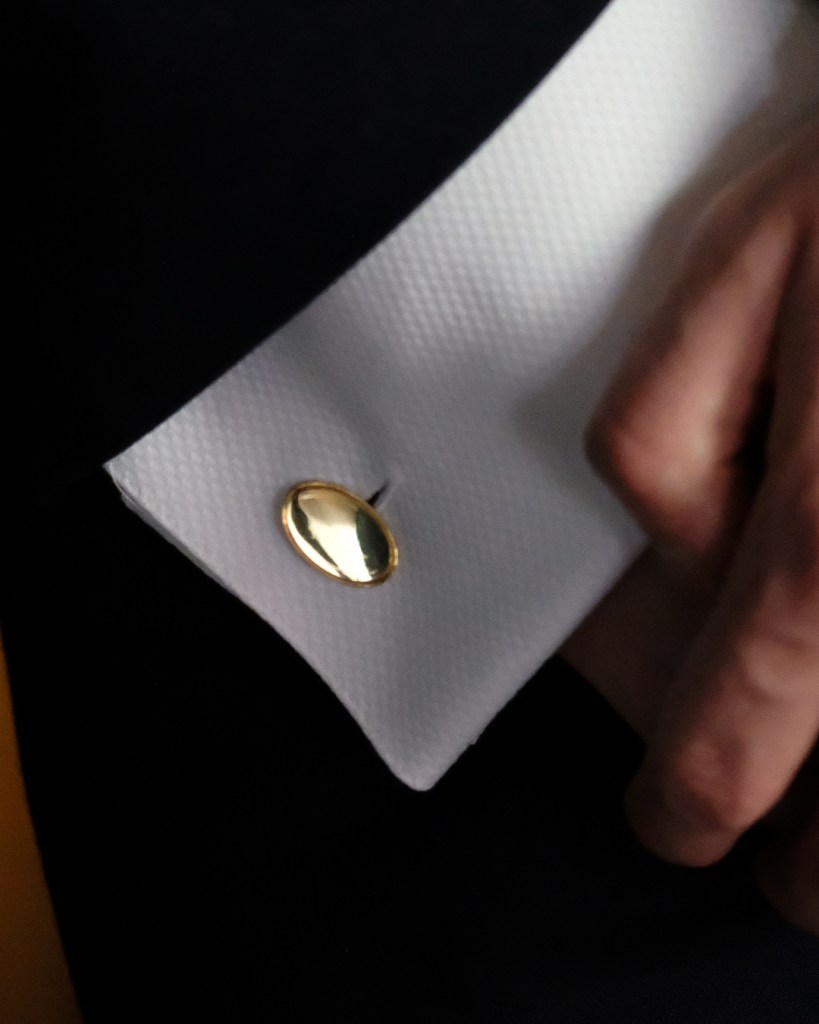
Prince Albert himself popularised the rise of the cufflink in the 1840s. It was stylish to match your shirt studs to your cufflinks and detachable cuffs became a standard for men’s formal fashion. But the story of the cufflink began long before Prince Albert’s wardrobe.
The Rise of the Cufflink
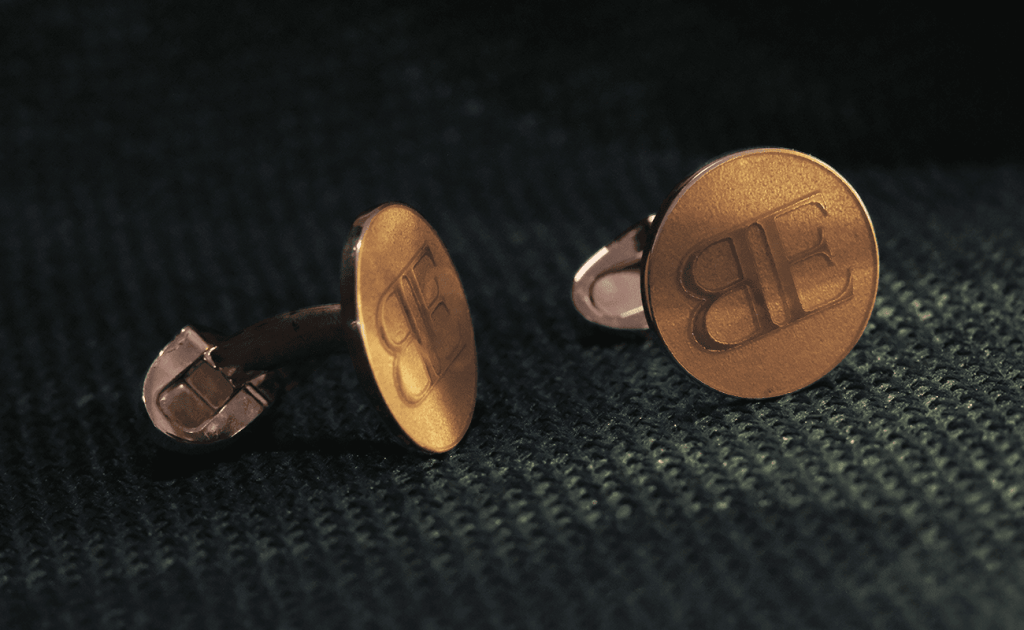
As early as the 13th century, shirt cuffs were held together by ribbons worn by royalty and the aristocracy. Later, practicality improved with two decorative buttons connected by a chain. These ‘early’ cufflinks became a luxury accessory, 18th century jewellers evolved them using silver and gold embellished with gemstones or stamped designs, creating the modern-day cufflink. Demand increased and industrialisation grew, causing the authenticity and speciality of the cufflink to somewhat diminish into manufactured ‘copy and pastes.’ However, the increased desire for cufflinks fuelled artistic innovation and functionality that continued into today’s world. Cufflinks story rose from the 13th century through to Prince Albert’s wardrobe and all the way to David Beckham’s wardrobe today.
Start your story with Benkes of England Sterling Silver Cufflinks – Benkes of England